
Image Processing- In addition, it is effectively used in critical tasks such as quality control, defect detection, and object recognition. As a result, production errors are minimized, and product quality is enhanced. Moreover, it reduces the need for manual inspections, thereby lowering costs.


20250129_140020(0)_3_11zon
20250129_135738_2_11zon
20250129_134936_1_11zon
20250129_134608_5_11zon
20250311_143115_0_
DSC01356
viravist-visorlevel-4
adsız-3
viravist-visorlevel-6


Digital Processing
Digital Processing, It plays a critical role in many different areas of automation. In particular, it is of great importance for analyzing and interpreting data and optimizing processes. To elaborate further, we can list the areas of application for digital processing as follows:
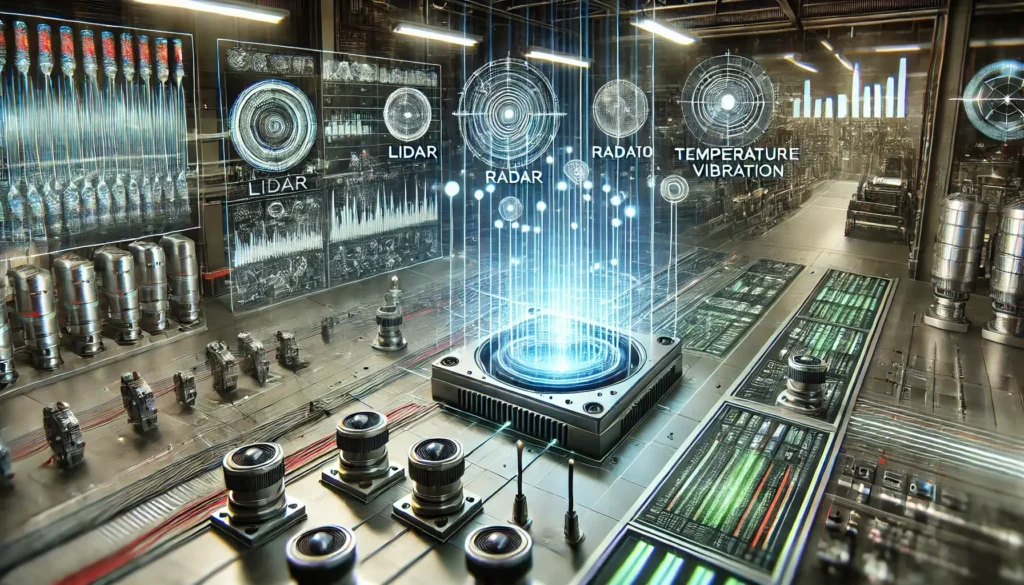
Sensor Data Analysis – Firstly, it processes data such as temperature, vibration, and speed to optimize processes. This ensures that systems operate more efficiently and safely. Additionally, potential faults are detected early, helping to take preventive measures.
- SCADA and PLC Control – At the same time, it enables real-time data analysis, ensuring that machines operate more reliably and continuously. Furthermore, it allows for the early detection of system failures, thereby increasing production continuity.
Robotic and Motion Control– Moreover, the precise movements of robotic arms are managed more efficiently. This makes production processes more reliable and error-free. Additionally, the need for human intervention is reduced.
Big Data and AI Analytics– Moreover, while optimizing production processes, it offers predictive maintenance capabilities. As a result, maintenance costs decrease, and system reliability significantly improves. Additionally, data-driven decision-making mechanisms are strengthened, making automation systems smarter.
In conclusion, digital processing creates smarter, faster, and more efficient automation systems by interpreting data. As a result, the efficiency, reliability, and sustainability of industrial processes are significantly enhanced.
STEP-1
Site Survey and Digital Infrastructure Analysis
We will conduct a site survey at your facility and analyze the existing automation, SCADA, and AI infrastructure. By examining the systems used for production process monitoring, data collection, and analysis, we will identify data flow and integration requirements.
Data Collection and Industrial IoT Integration
We will collect and analyze data from sensors, cameras, and SCADA systems on your production line. By providing real-time data flow with Industrial IoT (IIoT) solutions, we will create an infrastructure to better understand the processes.
STEP-2
STEP-3
Smart Image Processing and Artificial Intelligence Modeling
Image processing and artificial intelligence models will be developed for quality control, defect detection, and process optimization on the production line. Integration with SCADA and automation systems will enable defect detection and process improvement.
Automation and SCADA Integrated Solution Design
An AI-based solution will be designed to integrate with existing SCADA and automation systems. In this step, automatic fault reporting, real-time analysis, and process control will be implemented.
STEP-4
STEP-5
Deployment of Artificial Intelligence and Automation System
All systems will be integrated, and a structure where image processing, automation, and SCADA work together will be implemented. This will reduce error rates, increase production efficiency, and automate processes.
Performance Monitoring, Optimization, and Continuous Support
After the system is deployed, process performance will be analyzed through real-time data tracking. Necessary optimizations will be made, and artificial intelligence models will be continuously updated.
STEP-6
STEP-1
Site Survey and Digital Infrastructure Analysis
We will conduct a site survey at your facility and analyze the existing automation, SCADA, and AI infrastructure. By examining the systems used for production process monitoring, data collection, and analysis, we will identify data flow and integration requirements.
STEP-2
Data Collection and Industrial IoT Integration
We will collect and analyze data from sensors, cameras, and SCADA systems on your production line. By providing real-time data flow with Industrial IoT (IIoT) solutions, we will create an infrastructure to better understand the processes.
STEP-3
Smart Image Processing and Artificial Intelligence Modeling
Image processing and artificial intelligence models will be developed for quality control, defect detection, and process optimization on the production line. Integration with SCADA and automation systems will enable defect detection and process improvement.
STEP-4
Automation and SCADA Integrated Solution Design
An AI-based solution will be designed to integrate with existing SCADA and automation systems. In this step, automatic fault reporting, real-time analysis, and process control will be implemented.
STEP-5
Deployment of Artificial Intelligence and Automation System
All systems will be integrated, and a structure where image processing, automation, and SCADA work together will be implemented. This will reduce error rates, increase production efficiency, and automate processes.
STEP-6
Performance Monitoring, Optimization, and Continuous Support
After the system is deployed, process performance will be analyzed through real-time data tracking. Necessary optimizations will be made, and artificial intelligence models will be continuously updated.